Send us your views: Battle for the High Streets
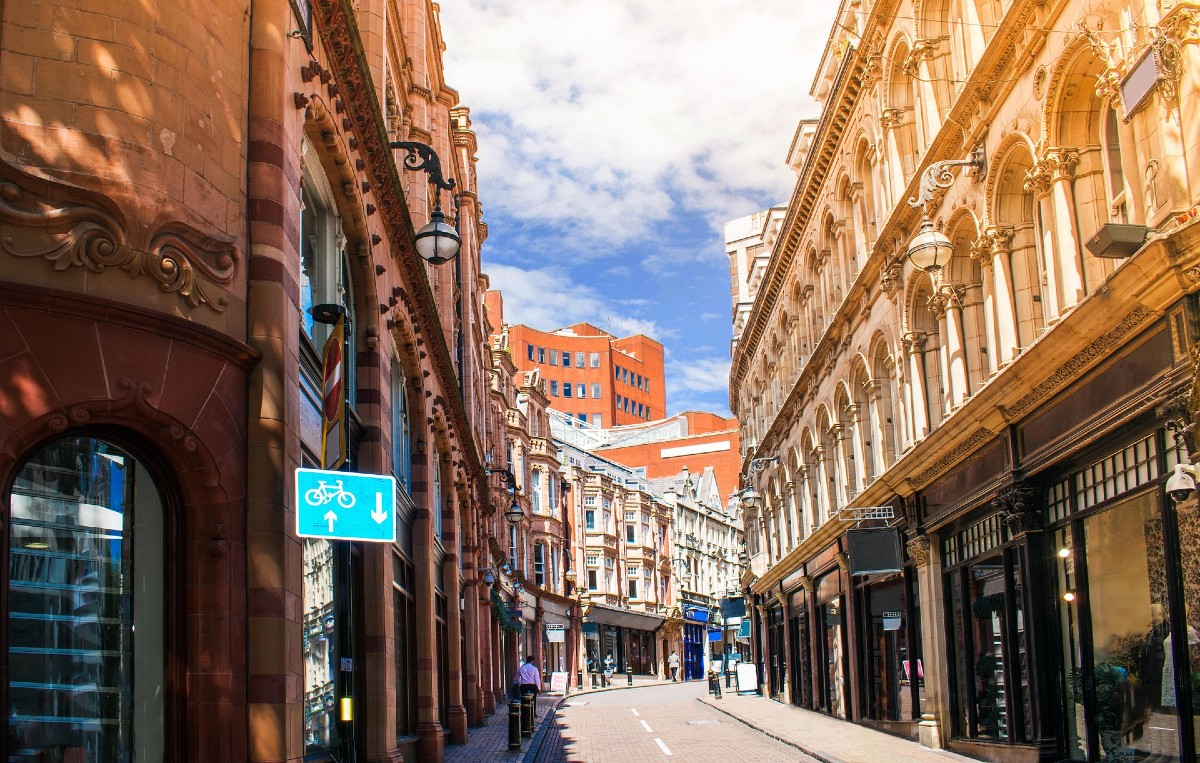
Fully accepting that not all bricks and mortar bike shops are located on ‘the high street’ and are on retail parks, trading estates, off ‘a’ roads or – most likely – within local neighbourhood centres, the fate of the high street is nevertheless tied to all of these areas and more. It’s also a heated political topic that isn’t going away anytime soon…
The state of people’s local high streets is expected to have a big impact on the results of political elections in the coming years. That was the finding of a report earlier this year (“Labour risks election wipeout unless it improves Britain’s high streets, study finds”, The Guardian), that found many Brits equate the health of their local town centres with local pride and their perception of the state (and management) of the nation.
A University of Southampton study noted that “place-based resentment” is having an increased effect on who is in power at Westminster, and the phenomenon has not gone unnoticed. Current government Labour has created a £5 billion programme for locally led plans to “revitalise town centres and bring vacant units back into use”.
Those with longish memories will remember that this topic has been a priority (or at least on the agenda) of previous governments too. Mary Portas was drafted in as a ‘retail czar’ during the Conservative/Liberal Democrat coalition to provide expert opinion on what government can do to ensure the health of high streets, back in 2011. What that report did not do, understandably, was stem the tide of online retail growth.
Betting shops, vape shops, barbers and coffee shops
A good portion of the current growing retail sectors can be summed up as “things you can’t get online”. That’s a broad term, but it’s also a good summation of the reason why many UK high streets see a proliferation of hairdressers and coffee shops. It’s a logical result of a nation increasingly happy to purchase online (or drift to
the local retail park), but is nevertheless broadly seen as the fault of local councils, and the national government at large. And some of that blame may well be justified.
What you can’t get online…
Add into that category of what you can’t get online: bike workshops. Like hair cuts and coffee, it’s not impossible to have those things and services come to your front door, but current trends are not pointing that way just yet. Mobile and ‘come to your door’ bike servicing and workshop services exist and are thought to be growing, but they remain the minority, with the vast majority of bike fixes, servicing and other servicing being done by physically taking bikes to shops and workshops.
Where would you make changes to bolster the health of your local high street?
So, dear reader, we invite you to consider what could be done by local and national government to assist bricks and mortar retailers. Could it be tougher taxes on pure online players (as Mike Ashley once suggested, prior to his group’s purchase of Wiggle)? Or perhaps tax relief akin to that coming to hospitality businesses, announced by new PM Andy Burnham?
Let us know what you think by emailing the editor [email protected] or joining the debate at the Cycling Industry Chat group on Facebook. We’ll publish a selection of responses in a forthcoming issue of Cycling Industry News magazine and online.