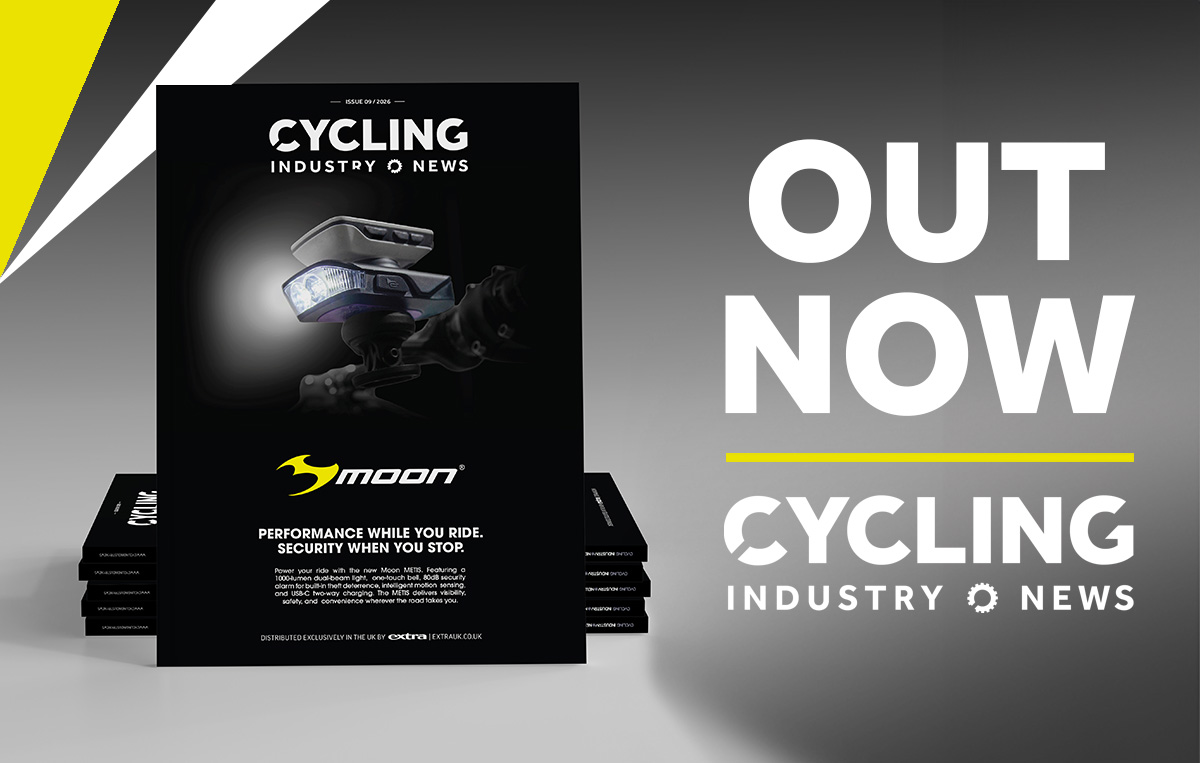
How to save the high street & the impact of the wildfires on the bike trade… all in the latest CIN Magazine
How would the bike trade save the high street? How did the summer’s wildfires affect bike businesses? And how is the bike global production map being redrawn? All these questions and more are examined in the new issue of Cycling Industry News, available to read online now, and in the post to subscribers.
Issue 09 2026 features include:
- The Asian bicycle production map is being redrawn. CIN enlists expert pundits to examine the direction of travel
- Battle for the high street: Is online to blame for the decline of the high street? And how can the nation’s shopping precincts be invigorated? Bike dealers give us some ideas
- Fire alarm: How did the summer of wildfires impacting bicycle and tourism business?
- OPINION: “It’s time for the industry to raise the bar on eBike safety”
- AERON/TPU takes us behind the scenes on its R&D journey
- Illegal modified vehicles: Evidence mounts that it’s not just delivery drivers using illegally modified e-motorbikes – more commuters are too…
- Gamechanging bike retail tech is on the way from some of the sharpest minds… CIN visits VividQ’s Cambridge HQ for a glimpse into the future
- CIN Live 2026 – images, words and a diary date
It’s all in the latest Cycling Industry News magazine.
Not a subscriber but want a print copy – or an email notification when new mags go live? Then head to our subscription page (print mags FOC for UK trade, digital notifications are FOC wherever you are).
 From the Editor…
Where have we heard that one before?
Intrigued whether the summer’s wildfires had impacted the bike trade (because that’s the kind of thing that crosses your mind after covering the cycling industry for near on two decades), I explored the story with the trade and sure enough soon heard how one business had been adversely affected. A dealer explained how their shop had escaped any physical damage from a local wildfire, but had nevertheless seen their sales negatively impacted. One of the key discoveries was that bike shop customers had been put off going anywhere near affected areas – even when they were safe – by media reports.
It took a few minutes (OK, days) for the penny to drop that this situation bears strong parallels with the one facing the electric bike market right now. Overzealous media reporting that eBikes can be dangerous (illegal bikes purporting to be eBikes are dangerous, as are wildfires) are impacting the perception of safety of perfectly legal eBikes.
I’m not going to bash my mainstream media cousins – although I do wish they’d use language more carefully, particularly in headlines. Better reporting is just part of the issue. As we all know, the onus is on us to make things easy for people we want something from, be that bike shop customers, advertisers, MPs or journalists juggling deadlines.
When the industry comes together, with its house in order, and cooperates on the big stuff, we can gently and/or forcefully make our point. Legal electric bikes are safe. A wildfire near Inverness does not mean you must cancel your bike trip to John O Groats. Organisations and businesses speaking the same message has clout. Expecting MPs, journalists or cycle tourists to discern all the nuance without a hard steer from the industry is – to be brutal – extreme naivety. And until we get better at communicating important trade messages outside the trade, we can expect more misunderstandings that impact the cycling economy’s bottom line.