LCC: “Make bike marking and registration mandatory to curb bike theft”
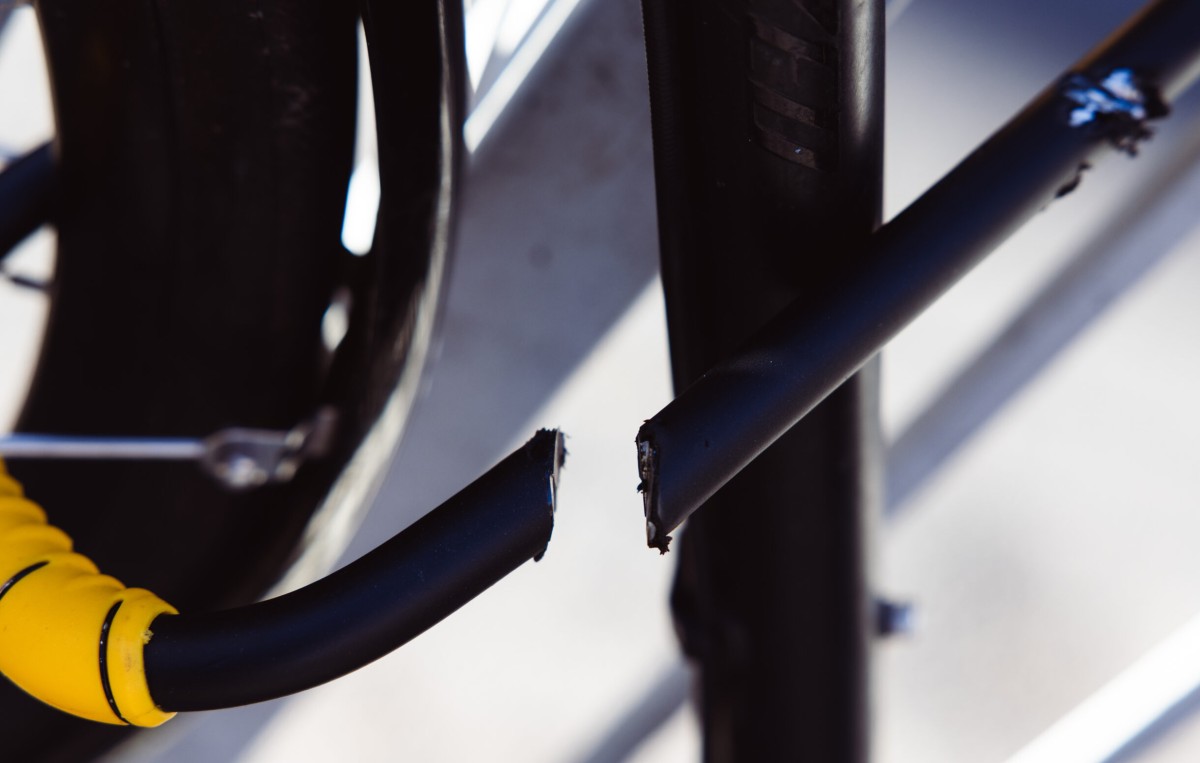
The London Cycling Campaign (LCC) launched a bike theft action plan earlier this year and – as yet another bike theft story crossed the CIN news desk today – we revisited its “Broken Locks, Broken Promises” report and recommendations, including making bike marking and registration mandatory, among other measures.
Acknowledging that bike shops don’t always have time to register and mark bikes, and many buyers chose not to pay for registration, the LCC noted that the number of registered bikes in the UK remains low. Bike Register says it has 1.5 million bikes within its service, out of approximately 30 million cycles owned in the UK.
The LCC also noted that existing UK registration schemes do not verify (for example by text message as well as by email) the identity of the person registering the cycle. So, thieves can register several stolen cycles using an assumed email and show buyers evidence of registration. Bike Register say its bike checking software now identifies when a cycle was registered, which may alert buyers to suspicious sellers. Verified registration, along with the verified identity of the seller when purchasing a used cycle, would help reduce cycle theft significantly by reducing the market for stolen cycles and their re-sale value.
Code of practice
Another recommendation was to implement a code of practice for retail:
“If all shops selling and/or servicing second-hand cycles checked and recorded the identity of sellers, and checked frame numbers and any other identifying marks against Bike Register and Immobilise, then that would potentially shrink the stolen bike market. Online retailers should also be putting their houses in order on private sales, using AI to spot likely thieves, and demanding clear identity checks and bike registration details and frame numbers before allowing listings.”
The LCC noted that Amsterdam and London Borough Haringey had pioneered a code of practice for shops offering used bikes for sale: “In the Netherlands, where most cycles are fitted with integrated wheel locks that act as immobilisers, a key element of the code of practice was that shops would not handle bikes when these wheel locks are broken.
“In the UK, where locks are usually separate from the cycle, shop staff can ask for ID and check frame numbers against existing lists of stolen bikes. Branded bikes are more easily identifiable with numbers or QR codes on the frame, battery and motor. Refusing to sell new batteries or chargers to customers who cannot provide evidence of legitimate bike purchase is one obvious way of deterring theft. Refusing to service eBikes of dubious origin is another. EBikes, unlike regular cycles, are not easily home-serviced.”
Other measures: Public information campaigns, Mayoral targets and enforcement
- Demand a 10% cut in cycle theft each year of the Mayoralty: The LCC advocates returning to the Mayoral pledge that Boris Johnson made
- Track cycle theft properly: To treat bikejacking (violent muggings to steal cycles) as a serious crime and tracking stolen sales hotspots
- Proper enforcement on-street and online: bait bike at theft hotspots, cycle ownership spot checks, police presence at known stolen goods marketplaces, etc
- Fund secure cycle parking
- Run a high profile public information campaign to teach about cycle security
Earlier this year, Bosch revealed its latest initiative designed to stamp out bike theft, stating that its software updates “make [illegal] resale nearly impossible”. Segway, also at this year’s CES, unveiled its proximity locking/unlocking feature, as well as a ‘Lost Mode’ that allows users to remotely disable the eBike and/or battery if stolen.
The UK’s Crime and Policing Bill looks to be paving the way for bike tracker and geolocation tech to be legally useful.
There’s more on the “Broken Locks, Broken Promises” report on the LCC site.