
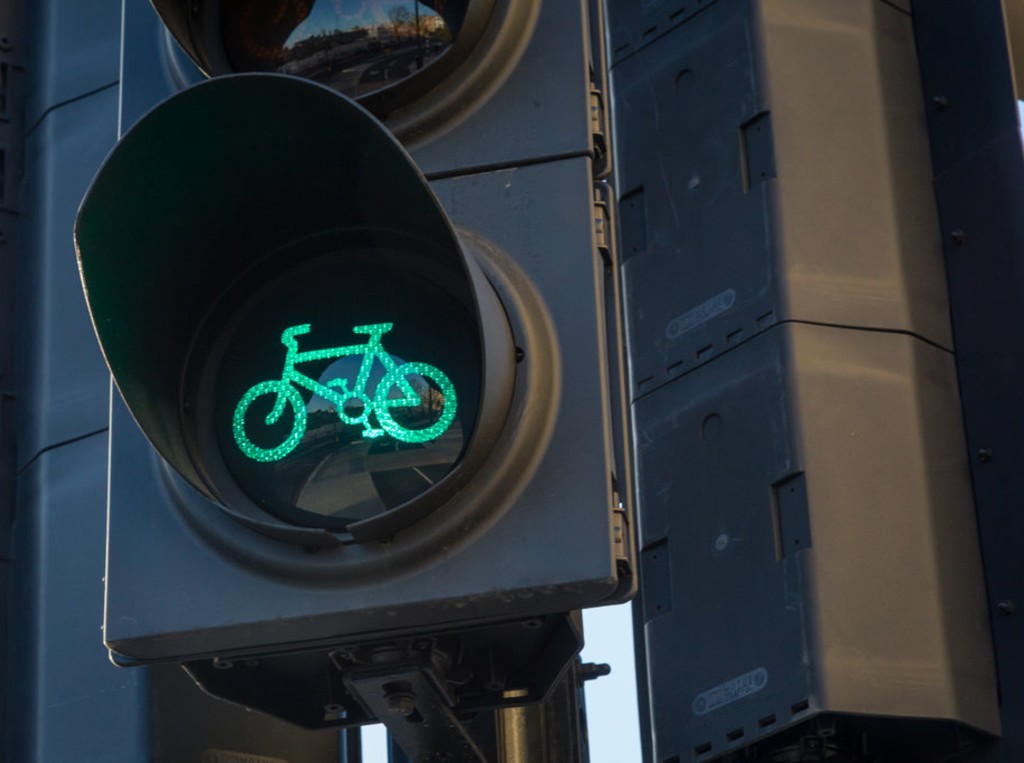
London cycling journeys rocket 43% in 6 years
Unlike the Covid and lockdown bike sales spike (and prolonged fall), the rise of London cycling journeys have been a sustained boom over the same period, rising a whopping 43% since 2019. That rise has taken place in tandem with expansion of infrastructure in London, which now has over 431km (267 miles) of the TfL cycleway network.
That infrastructural rise is significant – the network was 90km in 2016 – and now 29% of Londoners live within 400 metres of a high-quality route, said TfL.
The results of TfL’s Travel demand survey chimes with that of CIN’s own Market Survey – safe infrastructure matters if you want to grow cycling. The TfL study found that 76% of people using Cycleways felt safe all or most of the time, illustrating the importance of investment in high-quality cycleways.
TfL continues to work closely with London’s boroughs to invest in high-quality infrastructure that allows more people to walk and cycle more often, including via journeys that connect to public transport.
Published in TfL’s annual Travel in London report, the new data shows that the number of daily London cycle journeys increased in 2025 to an estimated 1.5 million journeys per day, up by 12.7% from 1.33 million in 2024. The growth was strongest in inner London, with a 14.8% increase between 2024 and 2025 (from 650,000 to 747,000 cycle journey stages). Central London saw a 12.8% increase (from 187,000 to 211,000) and outer London increased by 9.9% (from 490,000 to 538,000). The growth demonstrates the impact of the Mayor and TfL’s continued investment in high-quality infrastructure that enables more Londoners to make the most of cycling as a sustainable and affordable way of travelling around the capital, the PR said.
Working with London boroughs, TfL has increased the length of the strategic cycle network from 90km in 2016 to over 431km in 2025, a 7% increase from 2024. In 2024/25 alone, TfL launched 17 new Cycleways routes and since September 2025, 29% of Londoners live within 400 metres of the cycle network. It is estimated that around a third of all cycling in London takes place on TfL Cycleways despite the network accounting for 2.5% of all cyclable roads. This data shows the success of the Mayor and TfL’s investment in high-quality cycling infrastructure, working in partnership with London’s boroughs, and demonstrates the need for continued investment. Each protected cycleway provided people from all backgrounds and abilities with safer, more appealing routes, encouraging greater diversity in cycling.
TfL’s continued work with the boroughs in expanding the Cycleway network is making strong progress towards the Mayor’s target of 40 per cent of Londoners living within 400m of a Cycleway by 2030. Cycleways across London helping to reach this milestone include C54 between Canning Town and City Airport and C4 between Greenwich and Woolwich with each protected cycleway providing people from all backgrounds and abilities with safer, more appealing routes, encouraging greater diversity in cycling. TfL is continuing work to expand the network, with construction next year starting in Southwark, Newham, Harrow and Waltham Forest. The routes will include protected cycle lanes, new pedestrian crossings and new bus lanes, also improving journeys for bus users.
Results from the London Travel Demand Survey show an increase in active, efficient and sustainable mode share in 2024/25 compared to 2023/24. Among those who cycled at least once a month and who had used a Cycleway in the last year, 76% reported feeling safe all or most of the time, highlighting the impact importance of high-quality infrastructure. This investment in safe routes is also helping Londoners stay active, with more than 43% of adults achieving at least 20 minutes of physical activity per day, the highest proportion recorded to date.
Alongside cycling, walking continues to play a vital role in sustainable travel, with pedestrian activity in central London rising by 3% in 2024 and a further 7% in early 2025 compared to the same periods the year before. While overall footfall in the same period in 2025 remains around 10% below pre-pandemic levels, areas with high employment, such as the City, are seeing steady growth. To build on this progress, TfL is continuing to invest in schemes that make walking more accessible, including Walking and Cycling Grants for community groups, supporting projects that encourage active travel and make walking an easier and more attractive choice for everyone.
TfL said it is committed to making life-saving changes at some of the capital’s most dangerous and intimidating junctions, as part of its Safe and Healthy Streets funding. This dedicates more than £150m to improving London’s roads for people cycling, walking and accessing public transport, over half of which is invested through London’s boroughs. TfL has so far completed work at 47 Safer Junctions across London, including recently completed works at Battersea Bridge. The new Safer Streets programme also offers up to £50m over the next four years to help boroughs tackle the worst safety locations in their communities.
London’s Walking and Cycling Commissioner, Will Norman, said: “As we continue to expand London’s cycle network, the number of daily bike trips is soaring. Cycling has increased by 43% since 2019 to 1,500,000 trips every day, with the vast majority of people feeling safe when using our Cycleways. There’s no doubt that London is fast becoming a cycling city. Of course, there is more to do. The Mayor and I will keep working closely with TfL and the boroughs, investing in more high-quality routes to enable even more people to walk and cycle, building a better, greener London for all.”
Alex Williams, TfL’s Chief Customer and Strategy Officer, said: “Walking and cycling are at the heart of creating a healthier and greener London, so it’s fantastic to see more people choosing these ways to travel.
“Every extra journey by bike or on foot helps reduce congestion, improve air quality and make our streets safer and more welcoming. We’ve made huge progress expanding the cycle network and continue to work with boroughs to grow the Cycleway network further, making active travel an even more accessible and attractive option for everyone.”
Mariam Draaijer, CEO of Joy Riders, said: “At joyriders our main goal is getting more women cycling. It’s fantastic to see that the new report shows a massive uptake of cycling in general. There is still lots to do to continue to encourage more women take up cycling. We would love for the network to be considered safe by all cyclists in future so that everyone who wants to cycle feels they can without barriers.”




